Wooden Broom Handle Lead‑Time Risks | Avoid Stock Shortages
Blog 2026-09-05
Raw Material Fluctuations: Core Wooden Broom Handle Lead-Time Risks
As peak selling seasons for wooden broom products roll around every year, many buyers report frustrating situations: suppliers inform them of raw‑material shortages, sudden price hikes, and endlessly extended delivery schedules. These issues trigger stock shortages wooden broom handles, lost end‑market clients, and penalty losses from broken contracts.
Every year with the arrival of peak sales seasons for broom sticks, many buyers complain that their suppliers report raw‑material shortages, sudden price increases and indefinite lead‑time delays, which cause wooden broom handle risks for importers and dealers. According to Vinawood timber market brief, supply shrinks during tropical log harvesting off‑seasons, and raw‑material shortages can stretch production lead‑times for mass‑produced wooden goods by 15‑25 days.
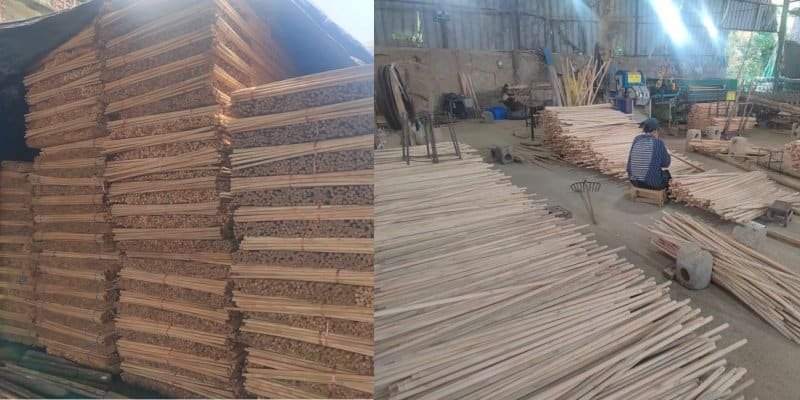
Many importers and distributors sourcing wooden broom handles fall into a common trap: small‑and‑medium‑sized factories maintain minimal raw‑material reserves and cannot fulfil orders or face heavy delays during peak‑demand seasons. Wooden broom handles belong to high‑volume consumable wooden goods. Low‑grade small‑scale plants hold no dedicated raw‑material inventory and source timber purely from spot markets, resulting in highly unstable wooden broom handle lead‑time.
Our facility completes high‑volume production of wooden broom handles and fulfils bulk overseas orders year‑round. We have witnessed multiple rounds of raw‑material price swings, log output reductions, and delivery delays triggered by forest‑harvesting regulatory controls. Eucalyptus, poplar and mixed hardwood are widely used for manufacturing wooden broom handles. In particular, eucalyptus can push standard 7‑15‑day production cycles all the way out to 30 days or more when supply tightens.
In China, rainy plum‑rain seasons in March‑April and cold‑wet rainy weather across November‑December frequently restrict raw‑material drying and trigger raw‑material shortages for wooden broom handles. Raw‑material volatility also occurs around the Chinese New Year: fewer logging workers are active, and timber asking prices surge, further driving up material costs.
If you hope to insulate your wooden broom handle lead‑time from raw‑material volatility, two practical solutions apply. First, partner with reliable suppliers that maintain consistent advance raw‑material stockpiles. Second, place orders ahead of schedule and lock‑in material allocations. Never submit orders after raw‑material shortages emerge; doing so will inevitably result in stalled production or shipment delays.
Drying Cycle Instability: Hidden wooden broom handle lead‑time Delays
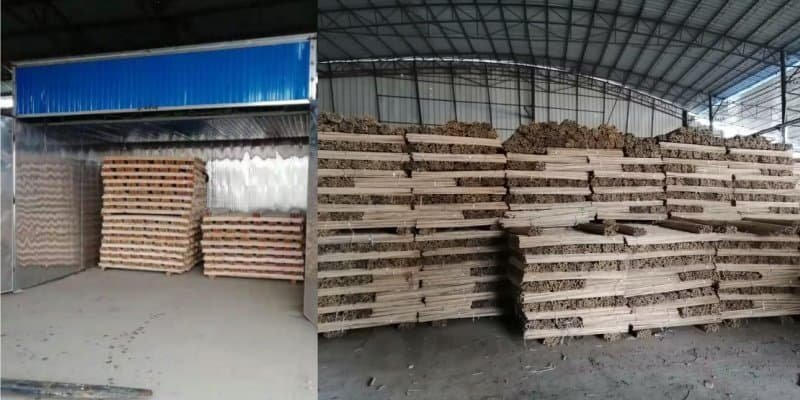
Unstable drying cycles represent hidden delays that worsen wooden broom handle risks. When purchasing wooden broom handles, some suppliers fail to disclose drying timelines and miss promised delivery dates, ultimately creating stock shortages wooden broom handles at your overseas warehouse.
Why is drying one of the biggest hidden pain points for wooden broom handle lead‑time? Raw timber with excessive moisture cannot be exported. Damp wood grows mould easily and fails phytosanitary inspections, so drying to compliant moisture levels is mandatory. Batches failing moisture‑content checks must be re‑dried, triggering full‑order delays.
Most wooden broom‑handle factories simply air‑dry raw materials in open‑air yards. Under steady strong sunlight, one batch takes roughly 10‑15 days to air‑dry, reaching moisture levels between 12‑18%. Continuous rain or typhoon weather stops outdoor drying completely, holding up production and delaying shipments. Industrial kiln drying removes weather‑related constraints and stabilizes wooden broom handle lead‑time. Raw materials reach compliant moisture after only 1‑3 days inside drying kilns. Some buyers request custom moisture targets at 8‑10 % — a specification achievable via kiln drying yet extremely difficult with natural air‑drying. Kiln drying carries higher processing costs and raises overall material prices, so manufacturers mostly deploy kilns during prolonged rainy spells or when customers specify strict moisture requirements.
Our team closely monitors moisture levels for wooden tool handles and understands drying‑duration variations across seasons and timber species. Based on our manufacturing experience, export‑grade wooden broom‑handle lumber should hit 12‑18 % moisture. Moisture above 18 % brings high mould risk, while overly dry timber suffers cracking risks. Kiln treatment is non‑negotiable during extended rainy periods or for custom moisture specs to avoid mould issues. Constant‑temperature kiln‑drying enables schedule standardization for wooden broom handle production, independent of local weather conditions. For these reasons, look for wood handle manufacturers equipped with in‑house drying kilns. Kilns may sit idle under fair weather, yet they become critical assets during wet seasons or custom‑moisture orders.
Shipping & Transshipment Port Delays: External wooden broom handle lead‑time Risks

A major headache for wooden broom‑handle distributors and importers arises when production runs smoothly yet ocean‑freight disruptions ruin inventory plans. Port‑of‑transshipment delays generate external wooden broom handle risks. Wooden broom handles count as general light cargo; common shipping bottlenecks include peak‑season port congestion, trans‑shipment terminal congestion, and carrier roll‑overs.
According to UNCTAD Review of Maritime Transport landing page, congestion at trans‑shipment hubs combined with peak shipping windows can add an extra 7‑14 days to general‑cargo ocean transit times and extend overall wooden broom handle lead‑time for importers. Furthermore, UNCTAD news: Red Sea Crisis and implications for trade facilitation in Africa notes geopolitical conflicts force vessel rerouting, lengthening transit times for commodity shipments including wooden goods. Clearly, port‑and‑trans‑shipment disruptions significantly amplify wooden broom handle lead‑time risks.
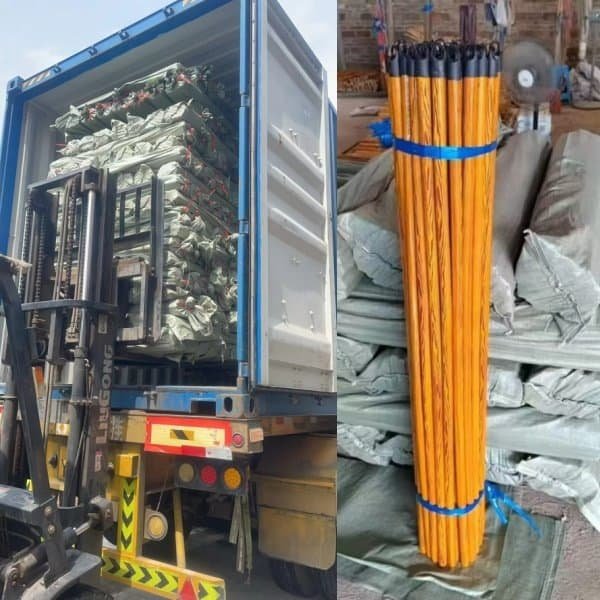
Can buyers mitigate shipping‑and‑trans‑shipment‑related delays? Practical countermeasures do exist. Our factory has exported full‑container and less‑than‑container loads of wooden broom handles for years. We maintain deep familiarity with cross‑ocean transit and trans‑shipment workflows and cooperate steadily with freight forwarders. We have encountered port congestion, container roll‑overs and terminal‑detention scenarios and share proven advice to help buyers dodge these logistical pitfalls.
First, work with qualified freight forwarders. Ideally, allow your wooden‑broom‑handle supplier to arrange vessel bookings. Experienced suppliers maintain long‑term partnerships with forwarders and fully understand loading, customs clearance and shipping workflows for wooden broom‑handle cargo, which helps you avoid logistical hazards. When booking space, avoid selecting the absolute lowest ocean‑freight quotes, especially in peak shipping seasons. The cheapest rates carry high risks of carrier roll‑overs or indirect trans‑shipment services that extend total transit time.
Second, identify high‑risk shipping months and delay‑prone trade lanes based on real‑world export experience. September through the pre‑Chinese‑New‑Year period represents peak shipping season, when port congestion and freight‑rate hikes frequently occur. Mediterranean, Red‑Sea, European and North‑American lanes see higher‑than‑average delay frequencies. Avoid booking around major global holidays and typhoon seasons, as surging booking volumes readily trigger terminal congestion.
Third, place your wooden‑broom‑handle orders well in advance. Do not submit orders right before peak shipping periods. Align schedules with your manufacturer, lock‑in vessel space early, and stagger shipments to bypass logistical bottlenecks that would otherwise worsen stock shortages wooden broom handles.
Safety Stock Strategy: Avoid Shortages Against wooden broom handle lead‑time Risks
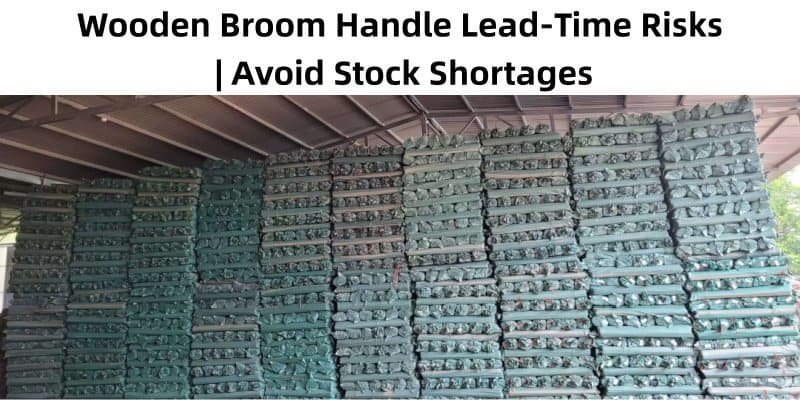
You can effectively reduce wooden broom handle risks and prevent stock shortages wooden broom handles by adopting targeted inventory and procurement practices. Drawing from our long‑term export manufacturing experience, we have compiled practical safety‑stock and procurement strategies.
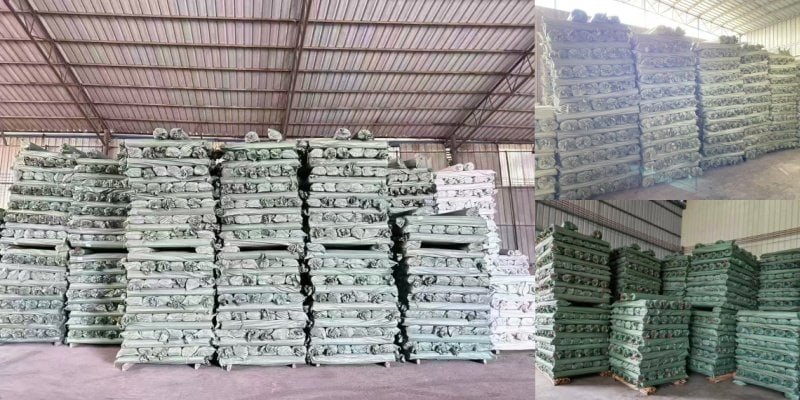
First: Small‑batch replenishment. If you only need to top‑up limited volumes of wooden broom handles, consolidate these goods with other general‑merchandise cargo for shared container shipping. This tactic prevents over‑stocking of brooming stick inventory.
Second: Pre‑peak‑season stock build‑up. Build inventory ahead of September‑to‑pre‑Chinese‑New‑Year shipping peaks. Pre‑peak stockpiling insulates you against inventory crunches brought on by ocean‑transit delays and trans‑shipment‑port congestion.
Third: Off‑season price & lead‑time locking. The off‑season window for wooden broom‑handle production falls between April‑July. Use this timeframe to lock‑in pricing and confirm fixed delivery schedules with your supplier. This measure shields you from raw‑material price inflation and shifting wooden broom handle lead‑time.
When evaluating potential partners, you may research broom handle manufacturers near me, yet cross‑border buyers often gain better cost and stability working directly with qualified OEM broom handle factories. Alongside wooden‑handle products, some global buyers also source from varnished wooden broom stick suppliers and grass broom manufacturers to complete their cleaning‑goods product portfolios.
Conclusion & Send Inquiry Now: Get Stable Wooden Broom Handle Lead‑Time From Factory
We have covered three major sources of wooden broom handle lead‑time risks: raw‑material volatility, insufficient drying infrastructure, and ocean‑shipping plus trans‑shipment‑port disruptions.
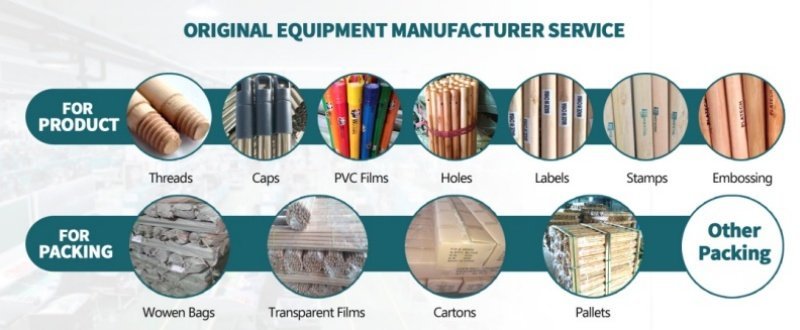
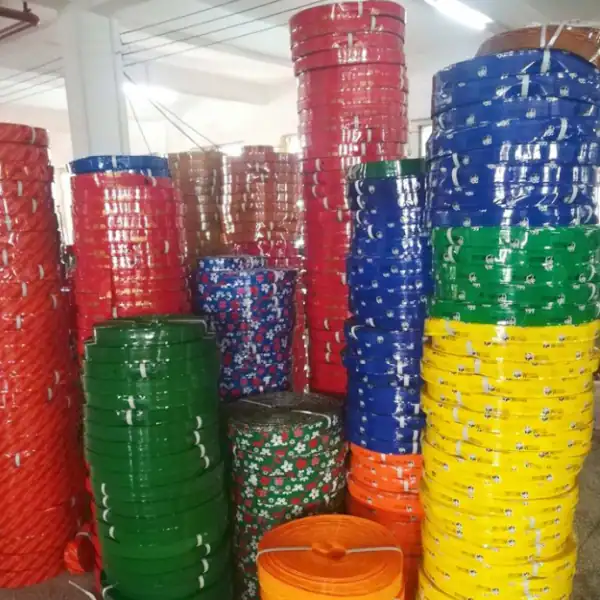
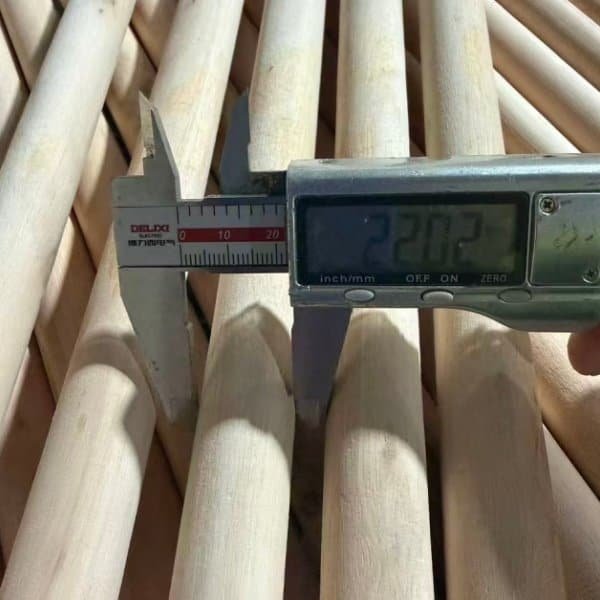
Secure stable delivery performance for wooden broom handles by partnering with genuine source manufacturers. Our factory possesses multi‑year export manufacturing expertise, full‑supply‑chain risk‑control protocols and specialized production workflows. We support custom specifications for material types, lengths, diameters, plastic end caps, PVC film finishes and custom packaging. We also provide booking‑assistance services, delivering one‑stop solutions covering raw‑material production all the way to your warehouse.
If you are interested, submit your inquiry today to receive customized stocking guidance, confirmed wooden broom handle lead‑time, bulk quotations and tailored manufacturing proposals.
Submit your requirements through our website RFQ form (Recommended).
‑ Email: info@xsbroomstick.com
‑ WhatsApp: +86‑18677067945
‑ Website:www.xsbroomstick.com
Inquiry